

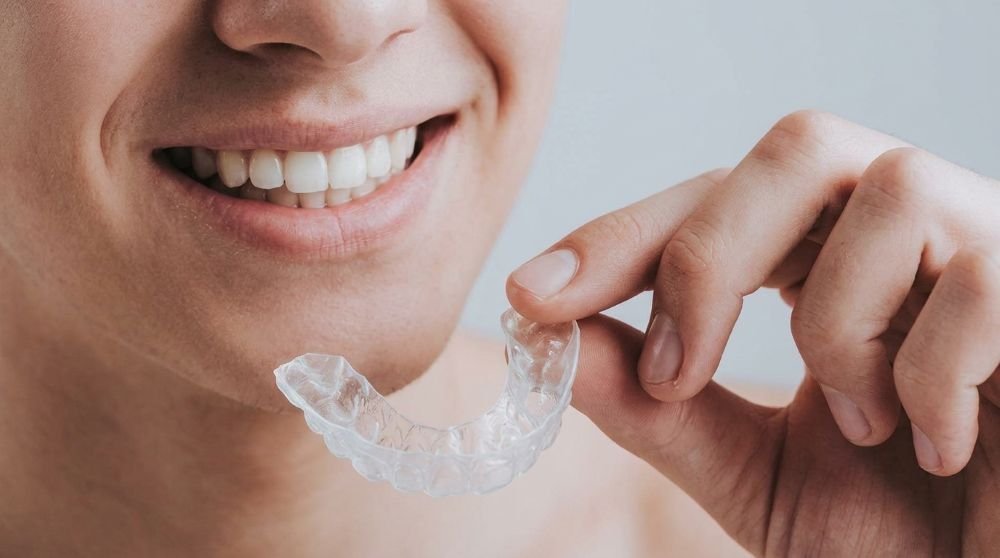
Do You Need a Night Guard for Teeth Grinding? Custom vs Store-Bought
Table of Contents
You wake up with a sore jaw, a dull headache at your temples, or a partner asking what that crunching noise was at 3 a.m. Teeth grinding is surprisingly common, and many people have no idea they do it until a dentist spots the wear or someone else hears it.
Patients in our London, Ontario office often ask two follow-up questions: do I really need a night guard, and is the drugstore version good enough? Below, we cover the signs of grinding, what a night guard can and cannot do, the real differences in a custom vs store-bought night guard, and what night guard cost looks like in Canada.
Key Takeaways
- Teeth grinding (bruxism) often happens during sleep, so many people only find out when they notice symptoms or a dentist sees signs of wear.
- A night guard is mainly a shield. It helps protect teeth from wear, but research has not shown that it stops grinding itself.
- Store-bought guards cost less up front, while custom guards usually fit better, last longer, and can be adjusted to your bite.
- Night guard cost in Canada typically ranges from about $20 for a boil-and-bite guard to roughly $700 for a dentist-made hard guard.
- Jaw pain has more than one possible cause, so an exam is the best way to know what is going on.
What Is Teeth Grinding?
Bruxism is the dental term for clenching or grinding your teeth. It comes in two main forms:
- Sleep bruxism: grinding or clenching while you sleep, often without waking.
- Awake bruxism: clenching during the day, often while concentrating, driving, or feeling stressed.
Some clenching now and then is normal. It becomes a concern when it happens often or forcefully enough to wear down teeth, strain the jaw muscles, or damage dental work. The causes are not fully understood, and they often overlap. Stress, sleep disturbances, certain medications, caffeine, alcohol, and tobacco may all play a role for some people.
Signs You May Be Grinding Your Teeth
Because sleep bruxism happens while you are unconscious, the clues usually show up in the morning or at your dental checkup.
Teeth That Look Flat, Worn, or Chipped
Grinding can flatten the biting edges of teeth, create small chips, or wear through enamel over time. Your dentist may notice shiny, flat spots called wear facets (smooth areas where teeth rub together).
Jaw Soreness or Stiffness in the Morning
Tired, achy jaw muscles when you wake up, especially near the joints in front of your ears, are a common sign.
Headaches at the Temples
A dull morning headache along the sides of the head can come from overworked chewing muscles.
Sensitive Teeth or Notches Near the Gumline
Worn enamel can make teeth sensitive to cold. Some dentists also link heavy clenching to small notches near the gumline, although research on this is mixed. Those notches can look similar to other gumline changes, so it helps to know the early signs of receding gums too.
Cracked Fillings or Crowns
Repeated grinding forces can crack fillings, crowns, and even natural teeth.
Clues Inside Your Cheeks and Tongue
A white ridge along the inside of the cheek or a scalloped edge on the tongue can be signs of clenching.
Other Causes of Jaw Pain Worth Ruling Out
Not every sore jaw comes from grinding. An ache at the very back of the jaw, especially with swollen gums or trouble opening wide, can come from a problem wisdom tooth, which our guide on the signs your wisdom teeth need to be removed covers in detail. And if you have had a tooth removed recently and the pain is getting worse and spreading toward your ear, it may be dry socket rather than grinding. A guard will not help either of these, so an exam comes first.
Do You Actually Need a Night Guard?
A night guard (also called an occlusal guard or occlusal splint) is a thin plastic appliance that covers the biting surfaces of your upper or lower teeth. Its main job is to take the wear so your teeth do not.
It is worth being clear about what a guard does not do.
A Cochrane systematic review found there was not enough evidence to show that occlusal splints reduce sleep bruxism itself, although the authors noted they may offer some benefit for tooth wear. In plain terms, most people still grind while wearing a guard. The guard simply absorbs the damage.
A night guard is often worth considering if:
- Your dentist sees active wear, chipping, or cracks
- You have crowns, veneers, implants, or large fillings you want to protect
- You wake with jaw soreness or headaches on a regular basis
- A bed partner hears you grinding
If your grinding is mild and causing no damage, your dentist may suggest monitoring it instead. That is a reasonable choice, too.
Types of Night Guards
Store-Bought Stock Guards
These come pre-formed in a few general sizes. You put them in as is. They are the least expensive option, but the fit is generic, and many people find them bulky.
Store-Bought Boil-and-Bite Guards
You soften the guard in hot water, then bite into it to shape it roughly to your teeth. The fit is better than a stock guard, but it depends on how well the moulding goes, and the material is usually soft and thick.
Mail-Order Impression Kits
You take your own impressions at home and send them to a lab. The fit can be closer than a boil-and-bite, but no dental professional checks your bite or your oral health first.
Dentist-Made Custom Guards
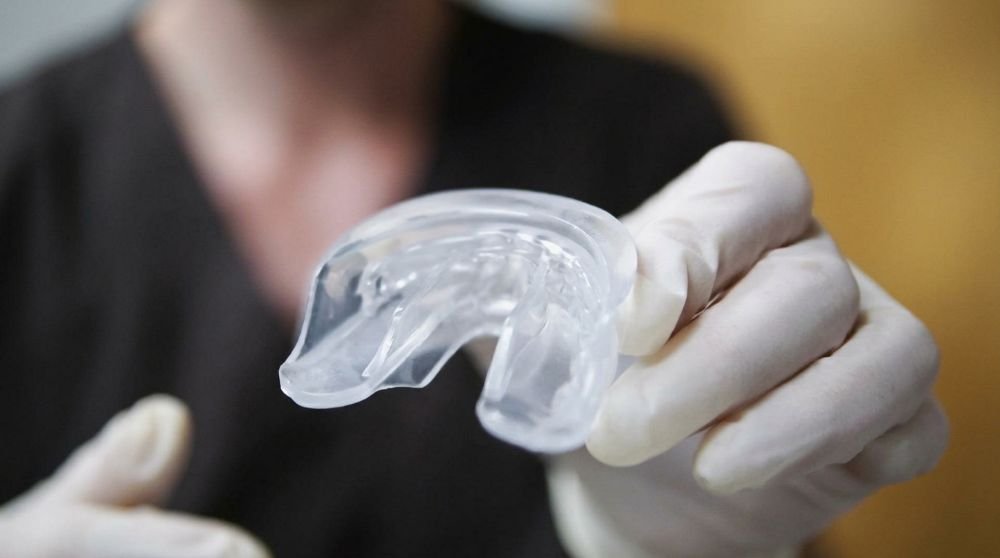
A custom guard is made from an impression or digital scan of your teeth, then fitted and adjusted in the chair.
Custom guards come in a few materials:
- Soft: flexible and comfortable, often suited to lighter clenching.
- Hard acrylic: rigid and durable, often recommended for heavier grinders.
- Dual laminate: soft on the inside against the teeth, hard on the outside, which many people find a good balance.
Custom vs Store-Bought Night Guard: Side by Side
Store-Bought (Stock or Boil-and-Bite) | Dentist-Made Custom | |
Fit | Generic or roughly moulded | Made to match your teeth |
Comfort | Often bulky; can feel loose | Usually thinner and more secure |
Bite check | None | Adjusted so your teeth meet evenly |
Durability | Often months | Often several years |
Exam first | No | Yes, so other causes can be ruled out |
Up-front cost | Lower | Higher |
Why the Bite Check Matters
A night guard sits between your teeth for hours every night. When it fits poorly or holds your jaw unevenly, it can make your jaw feel worse, not better. Soft, loose guards can also invite chewing, since your jaw may treat them a bit like gum. A custom guard is adjusted so your teeth contact it evenly, which is one of the main reasons dentists usually prefer it for regular, long-term use.
When a Store-Bought Guard Can Make Sense
A store-bought guard can be a reasonable short-term option, such as while you wait for an appointment, or if you only clench occasionally. If it causes jaw pain, gum soreness, or changes in how your teeth meet, stop using it and talk to your dentist.
Night Guard Cost in Canada
Type | Typical Cost (CAD) |
Store-bought stock or boil-and-bite | About $20 to $80 |
Mail-order impression kit | About $80 to $250 |
Dentist-made soft guard | About $250 to $400 |
Dentist-made hard or dual laminate guard | About $400 to $700 |
These are typical Canadian price ranges in 2026. Your actual cost depends on the type of guard, the material, whether it is for the upper or lower teeth, and any follow-up adjustments.
Looking at Cost Over Time
Store-bought guards often need replacing every several months, especially for heavy grinders who chew through soft material. A dentist-made hard guard may last several years with good care. Over time, the gap in night guard cost can narrow more than the up-front prices suggest. And if a guard prevents a cracked tooth or a broken crown, the savings can be much larger.
Insurance and Coverage
Many private dental plans include some coverage for night guards, often with limits on how frequently they can be replaced. Coverage varies widely, so it is worth checking your plan before booking.
Night guards are not among the service categories the Canadian Dental Care Plan lists as covered, so CDCP members should ask about costs before treatment. Our team can review your benefits, submit claims electronically when possible, and give you a cost breakdown in advance. For patients without insurance, LendCare financing is available.
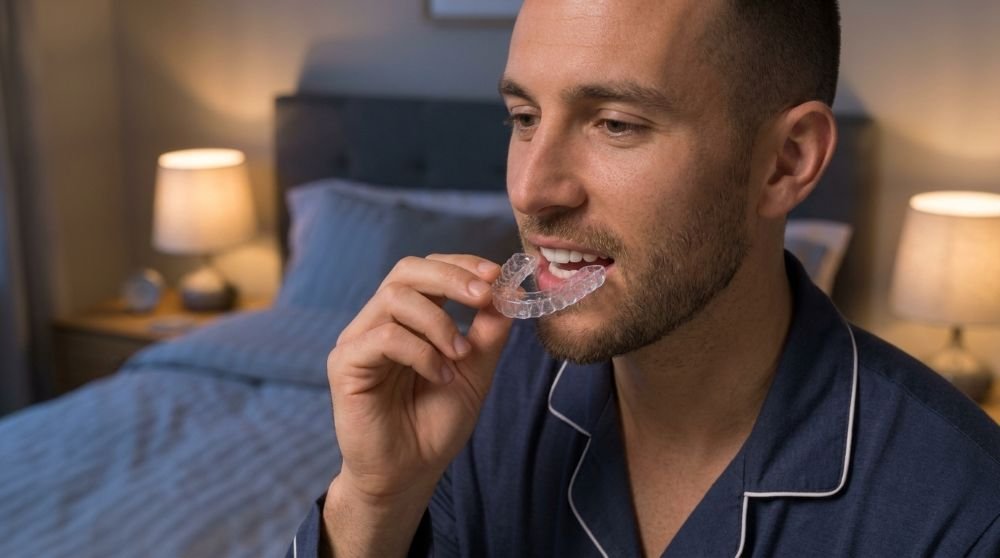
What to Expect When Getting a Custom Guard
An Exam Comes First
Your dentist looks for wear, cracks, and jaw tenderness, and asks about your symptoms and sleep. This step matters because it helps rule out other problems that a guard would not fix.
Capturing Your Teeth
Custom guards are made from a mould or a digital scan of your teeth. In our office, the iTero Lumina 5D scanner can capture a 3D model of your teeth without the gooey impression trays many people dread. You simply sit back while a small wand moves around your mouth. Saved scans also help us compare tooth wear from one visit to the next.
Fitting and Adjusting
When the guard is ready, it is tried in, checked for a snug fit, and adjusted so your bite feels even. It usually feels a little strange for the first few nights. Most people get used to it within a week or two. If it still feels tight, sore, or uneven after that, it may need a small adjustment.
Caring for Your Night Guard
A night guard collects saliva and bacteria every night, so a simple routine keeps it fresh:
- Rinse it in the morning and brush it gently with a soft toothbrush.
- Use cool or lukewarm water, since hot water can warp the material.
- Let it dry, then store it in a ventilated case away from pets.
- Bring it to your dental visits so it can be checked for wear or cracks.
Your teeth still need their routine checkups and cleanings while you wear a guard. If you are curious what those visits involve, our article on deep cleaning vs regular cleaning explains the difference. And if your gums feel sore or bleed after you start wearing a guard, the edges may be rubbing, or something else may be going on. Our guide to why gums bleed when you floss explains when bleeding is worth a closer look.
When a Night Guard Is Not the Whole Answer
A guard protects your teeth, but it does not address why you grind. Depending on your situation, your dentist may also talk with you about:
- Jaw joint concerns: clicking, locking, or ongoing pain around the jaw joints can point to a temporomandibular disorder (a problem with the jaw joint or the muscles that move it), which may need a fuller evaluation.
- Daytime habits: noticing when you clench during the day and relaxing your jaw (lips together, teeth apart) can help.
- Lifestyle factors: stress, caffeine, alcohol, and tobacco may make grinding worse for some people.
- Sleep concerns: grinding and sleep-disordered breathing can occur together. If you snore loudly, wake up unrefreshed, or have been told you stop breathing during sleep, mention it. Sleep apnea must be diagnosed by a physician or sleep specialist, and a standard night guard is not a treatment for it.
Frequently Asked Questions
How much does a night guard cost in Canada?
Store-bought boil-and-bite guards typically cost about $20 to $80, mail-order kits about $80 to $250, and dentist-made custom guards about $250 to $700, depending on the material. Private insurance may cover part of the cost.
Is a custom vs store-bought night guard really that different?
Yes, in most cases. Custom guards are made from a mould or scan of your teeth and adjusted to your bite, so they usually fit better, feel thinner, and last longer. Store-bought guards cost less up front but often fit loosely and may need frequent replacement.
Can a night guard stop me from grinding my teeth?
Usually not. Research has not shown that night guards reduce grinding itself. Their main purpose is to protect your teeth and dental work from wear while you grind.
How long does a night guard last?
It varies. Store-bought guards often last several months. Dentist-made custom guards often last several years with good care, although heavy grinders may wear through soft guards sooner.
Can a poorly fitting night guard cause problems?
It can. A guard that fits loosely or holds your bite unevenly may cause jaw soreness, gum irritation, or changes in how your teeth meet. If you notice any of these, stop using it and have it checked.
Protect Your Teeth While You Sleep
Teeth grinding is common, and it is very manageable once you know it is happening. The right night guard, along with a clear picture of what is driving your symptoms, can protect your teeth and dental work for years.
At We Smile Dentistry, we look for signs of grinding during routine exams and offer TMJ and bite evaluations for patients who wake up sore or notice changes in their teeth. If you are weighing a custom vs store-bought night guard, or you are not sure whether you grind at all, reach out to our London, Ontario team and book your appointment.
This content is for informational purposes only and is not a substitute for professional dental advice, diagnosis, or treatment. For personalized care, please book a consultation with Dr. Spagnuolo at We Smile Dentistry by calling us or visiting wesmiledentistry.ca/contact.