

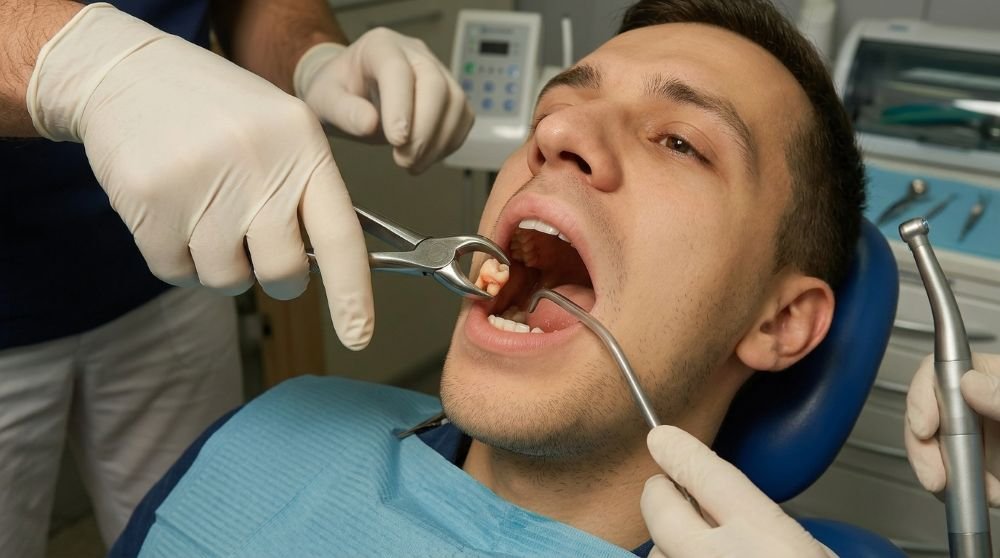
7 Signs Your Wisdom Teeth Need to Be Removed (And When They Don’t)
Table of Contents
Wisdom teeth have a talent for timing, often flaring up during exam season or right before a long weekend. But a sore spot at the back of your mouth does not automatically mean surgery, and a wisdom tooth that feels fine is not always trouble-free.
Below, we cover the most common signs wisdom teeth need to be removed, the impacted wisdom teeth symptoms worth paying attention to, and the situations where keeping them is a reasonable choice. Patients in our London, Ontario office ask about all of these regularly, so we have answered them the way we would in the chair.
Key Takeaways
- Recurring pain, swollen gums behind the last molar, a lingering bad taste, decay, and jaw stiffness are among the most common reasons a dentist recommends removal.
- Wisdom teeth that are fully erupted, easy to clean, and part of a stable bite can often stay, with regular monitoring.
- Research has not settled whether healthy, symptom-free impacted wisdom teeth should be removed, so the decision is made case by case.
- Spreading facial swelling, fever, or trouble swallowing or breathing needs emergency medical care right away.
What Are Wisdom Teeth, and Why Do They Cause Problems?
Wisdom teeth are your third molars, the last adult teeth to come in, usually somewhere between the late teens and mid-twenties. Most people have four, one in each back corner of the mouth, although some people have fewer or none at all.
The trouble usually comes down to space. By the time wisdom teeth arrive, the jaw is often already full. When a tooth cannot come in fully or in the right position, it is called impacted (trapped in the gum or jawbone). An impacted wisdom tooth may stay completely hidden in the bone, break partway through the gum, or grow in at an angle, sometimes tipped forward into the molar in front of it.
This is very common. Cleveland Clinic’s wisdom teeth guide notes that most people have at least one impacted wisdom tooth. Impaction on its own is not a sign that something is wrong, though. As Mayo Clinic’s wisdom teeth overview explains, impacted wisdom teeth do not always cause symptoms. What matters is whether the tooth is causing, or is likely to cause, problems for your gums, bone, or neighbouring teeth.
7 Signs Your Wisdom Teeth Need to Be Removed
None of these signs is a diagnosis on its own. Each one is a reason to book an exam so your dentist can see what is actually going on.
1. Pain or Pressure Behind Your Last Molar
A dull ache or pressure at the very back of the jaw is the classic complaint. It may come and go, flare when you chew, or spread toward your ear or the side of your face. Mild tenderness can happen while a tooth is coming in. Pain that keeps returning, or gets worse each time, usually points to something more than normal eruption, such as infection, decay, or pressure on the neighbouring tooth.
2. Red, Swollen Gums Around a Partially Erupted Tooth
When a wisdom tooth only partly breaks through, a small flap of gum often stays draped over part of it. Food and bacteria slip under that flap, where no toothbrush can follow. The result can be pericoronitis (inflammation and infection of the gum tissue around a partially erupted tooth).
It typically shows up as red, puffy, tender gum behind the last molar, and biting down on the flap can make it worse. Pericoronitis often settles with cleaning and care, then comes back a few months later. Repeated episodes are one of the most common reasons we discuss removal with patients.
3. Bad Breath or a Bad Taste That Keeps Coming Back
A sour or unpleasant taste on one side, or bad breath that brushing does not fix, can mean food and bacteria are collecting around a wisdom tooth. Sometimes it means a small amount of pus is draining from an infected area. Mouthwash may mask it for an hour, but it does not fix the cause.
4. Food Trapping and Decay in the Back Teeth
Partially erupted wisdom teeth are hard to clean, which makes them more prone to cavities than most other teeth. The bigger concern is often the second molar, the hardworking tooth right in front. When a wisdom tooth is tipped against it, a food trap forms between the two, and decay can start on the back of the second molar, where it is difficult to see or reach. If food gets stuck in the same back corner every time you eat, mention it at your next visit.
5. Gum Problems Around Your Second Molar
A wisdom tooth that sits against the second molar can make it harder to keep the gum and bone between them healthy. Over time, this area can develop deep pockets, bleeding, or bone loss. A 2020 Cochrane review found very low-certainty evidence that keeping symptom-free impacted wisdom teeth may be linked to a higher long-term risk of gum disease affecting the neighbouring second molar.
If you want a clearer picture of how that process unfolds, our guide to the stages of gum disease walks through it step by step. Gum tissue in this area can also pull back over time, so it helps to know the early signs of receding gums as well.
6. Jaw Stiffness or Trouble Opening Wide
Infection around a lower wisdom tooth can irritate the nearby chewing muscles. You might notice that you cannot open your mouth as wide as usual, that your jaw feels stiff, or that the area under your jaw feels tender or swollen. Limited opening alongside swelling is a sign to call your dentist promptly rather than wait it out.
7. X-Ray Findings You Cannot Feel
Some of the most important reasons to remove a wisdom tooth cause no symptoms at all. Wisdom teeth develop inside a small sac in the jawbone, and in some cases that sac can fill with fluid and form a cyst, which can slowly damage bone, roots, or nerves. Much more rarely, other growths develop. An impacted tooth can also press against the root of the second molar. These findings usually show up on routine X-rays long before anyone feels a thing, which is one reason regular checkups matter even when nothing hurts.
Do Wisdom Teeth Have to Come Out?
Not always. Plenty of people keep their wisdom teeth for life without any trouble. Wisdom teeth may be fine to keep when:
- They have fully erupted and sit upright in line with the other teeth
- They meet the opposing teeth and are part of a comfortable bite
- You can brush and floss around them properly
- The gums and bone around them are healthy
- X-rays show no decay, cysts, or damage to nearby teeth
What about wisdom teeth that are impacted but causing no problems at all? This is where professional opinions differ. The same Cochrane review concluded that the available evidence is not strong enough to say whether healthy, symptom-free impacted wisdom teeth should be removed or kept. In practice, that makes the decision individual. Your dentist weighs the tooth’s position, your age, your gum health, your medical history, and how easily the area can be monitored.
If you and your dentist decide to keep them, monitoring is part of the deal. Wisdom teeth that stay should be checked at regular exams, with X-rays as recommended, because a tooth that is stable at 22 is not guaranteed to stay that way at 42.
A Common Question: Will Wisdom Teeth Crowd My Front Teeth?
Many patients ask whether wisdom teeth will push their front teeth out of line, especially after braces or Invisalign. It is a reasonable worry. However, the Cochrane review found low-certainty evidence of little to no difference in front-tooth crowding between people who had symptom-free wisdom teeth removed and people who kept them. Crowding that develops later in life is often linked to natural changes in the jaw over time, which is why wearing your retainer as directed usually matters more.
Why Timing Can Matter
When removal is recommended, earlier is often easier. Roots are usually less developed in younger patients, and research reviews note that removal later in life tends to carry a higher risk of complications and discomfort afterward. That does not mean everyone should have them removed young; it means an assessment in the late teens leaves time to plan rather than react. For students in London, summer break or the winter holidays are often easier times to schedule an assessment and any treatment that follows.
READ MORE: Wisdom Teeth Removal Cost in Ontario

How We Assess Wisdom Teeth in Our London Office
A wisdom tooth assessment is usually part of a regular exam. Here is what to expect.
Exam and Conversation
We start by asking about your symptoms: when they started, how often they flare, and whether anything makes them better or worse. Then we look at the gums behind your last molars, check how your teeth come together, and look for signs of inflammation, decay, or food trapping.
Digital X-Rays
Low-dose digital X-rays show the position, angle, and root development of each wisdom tooth, along with the bone around it. Overjet AI software helps highlight areas of decay and bone level changes on those images, alongside the dentist’s own review. You bite gently on a small sensor for a few seconds, and the image appears on screen almost right away, so we can look at it together.
3D CBCT Imaging When Needed
When a lower wisdom tooth sits close to the nerve that runs through the jaw, a standard X-ray may not show the full picture. In those cases, we may recommend a CBCT scan (a 3D X-ray of the teeth and jaw). You sit or stand still while the scanner rotates around your head, and the images let us see the tooth, the nerve canal, and the surrounding bone from every angle. It is painless, and the hardest part is usually staying still.
A Clear Recommendation and Next Steps
Afterward, we walk you through what we found in plain language: whether your wisdom teeth look healthy enough to monitor, or whether there are good reasons to consider removal. If removal makes sense, we explain why, talk through timing, and, when appropriate, coordinate a referral to an oral surgeon. If dental visits make you anxious, let us know. Nitrous oxide sedation is available to help you feel more relaxed during care in our office.
When Wisdom Tooth Pain Is an Emergency
Most wisdom tooth problems build gradually, but infections can spread. Reach out to our team promptly if you notice swelling in your gums or cheek, pain that keeps you up at night, pus, or a fever alongside tooth pain.
Seek emergency medical care right away, by calling 911 or going to the nearest emergency department, if you have:
- Facial or neck swelling that is spreading
- Trouble swallowing or breathing
- A fever with dental swelling
- Swelling under the tongue or swelling that is closing an eye
Dental emergencies do not all look the same. With a knocked-out adult tooth, minutes matter, which is why our knocked-out tooth guide is worth saving. With a wisdom tooth infection, the key is noticing when swelling starts to spread and getting help before it goes further.
While you wait for your appointment, gentle warm salt water rinses and a cold compress on the outside of the cheek may help with comfort, but they do not treat the cause.
What If a Wisdom Tooth Has Already Damaged the Tooth Beside It?
In many cases, the second molar can be repaired with a filling, a crown, or root canal treatment once the wisdom tooth problem is dealt with. Less often, decay or bone loss is severe enough that the second molar cannot be saved. If that happens, replacing it becomes its own decision, and it helps to understand how dentures and dental implants compare before you choose.
Frequently Asked Questions
What are the most common signs wisdom teeth need to be removed?
Common signs include recurring pain or pressure behind the last molar, red and swollen gums around a partially erupted tooth, a lingering bad taste or bad breath, food trapping or decay in the back teeth, and jaw stiffness. Some problems only show up on X-rays, so an exam is the only way to know for sure.
Do wisdom teeth have to come out if they don't hurt?
Not necessarily. Wisdom teeth that are fully erupted, healthy, and easy to clean can often stay. For impacted wisdom teeth with no symptoms or signs of disease, research has not settled whether removal or monitoring is better, so your dentist will weigh your situation and recommend regular monitoring if you keep them.
What do impacted wisdom teeth symptoms feel like?
Impacted wisdom teeth symptoms often include an ache at the back of the jaw, red or swollen gums behind the last molar, pain when biting, a bad taste, bad breath, and sometimes stiffness when opening your mouth. Many impacted wisdom teeth cause no symptoms at all, which is why routine X-rays matter.
Can a wisdom tooth infection go away on its own?
Symptoms may settle for a while, especially with careful cleaning, but the underlying cause, such as a gum flap that traps bacteria, usually remains, so flare-ups often return. Infections can also spread, so it is best to have a dentist assess any swelling or recurring pain rather than wait.
When should wisdom teeth be checked?
Wisdom teeth are usually monitored during regular exams from the mid-teens onward as they develop and move into position. An assessment in the late teens leaves time to plan if removal is ever needed.
Get Clear Answers About Your Wisdom Teeth
Wisdom teeth do not come with a one-size-fits-all rule. Some need to come out, many can stay, and the right answer depends on what an exam and X-rays show. Recognizing the signs early gives you more options and fewer surprises.
At We Smile Dentistry, we assess wisdom teeth for teens and adults as part of routine, judgment-free care, using digital X-rays and 3D imaging when a closer look is needed. If you have noticed pain, swelling, or a recurring bad taste at the back of your mouth, or you simply want to know where your wisdom teeth stand, book your appointment and our London, Ontario team will help you understand your options.
This content is for informational purposes only and is not a substitute for professional dental advice, diagnosis, or treatment. For personalized care, please book a consultation with Dr. Spagnuolo at We Smile Dentistry by calling 519-661-0042 or visiting wesmiledentistry.ca/contact.