

Deep Cleaning vs Regular Cleaning: What’s the Difference and Who Needs It?
Table of Contents
You booked a routine cleaning. Then your hygienist mentioned a “deep cleaning” instead. Patients often ask us what that means, whether it’s really necessary, and why it can’t just be a regular cleaning with a bit more scrubbing. Fair questions. Nobody enjoys a surprise change of plans in the dental chair.
The difference between a deep cleaning vs regular cleaning comes down to where the buildup sits and what it’s doing to your gums. Below, we explain both in plain language, how a dental team decides which one you need, and what each visit actually feels like in our London, Ontario office.
Key Takeaways
- A regular cleaning removes plaque and tartar from the tooth surfaces and just at the gumline. It’s designed for healthy gums or mild gum inflammation.
- A deep cleaning, called scaling and root planing, reaches below the gumline to clean the roots of the teeth. It’s usually recommended when gum disease has created pockets between the gums and teeth.
- Only a dental exam with gum measurements and X-rays can tell which cleaning is right for you.
- After a deep cleaning, regular follow-up visits help keep gum disease under control.
What Is a Regular Dental Cleaning?
A regular cleaning is what most people picture when they think of a dental visit. Dentists call it a prophylaxis (a prevention-focused cleaning). Its job is to keep healthy gums healthy.
Every day, a sticky film of bacteria called plaque forms on your teeth. Brushing and flossing remove most of it. Whatever stays behind can harden into tartar, also called calculus (a hard, mineral deposit that bonds to the tooth). Once tartar forms, a toothbrush can’t remove it.
During a regular cleaning, your hygienist:
- Removes plaque and tartar from the tooth surfaces and just at the gumline
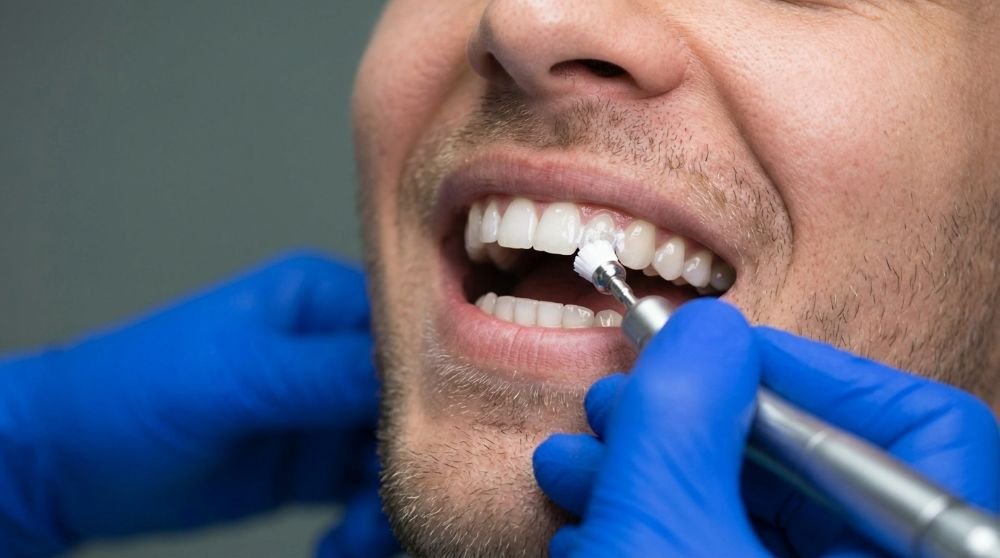
- Uses small hand instruments, an ultrasonic scaler (a tool that vibrates and sprays a fine mist of water), or both
- Polishes your teeth to remove surface stains
- Flosses between your teeth and may recommend fluoride
- Checks your gums for early signs of disease
Most patients don’t need freezing for a regular cleaning. You’ll feel some scraping and vibration, and you might notice a bit of tenderness if your gums are inflamed. It’s usually paired with a dental exam, so the dentist can review findings the same day.
Many people benefit from a checkup and cleaning about every six months. Your dentist may suggest a different schedule based on your gum health, cavity risk, and medical history.
What Is a Deep Cleaning (Scaling and Root Planing)?
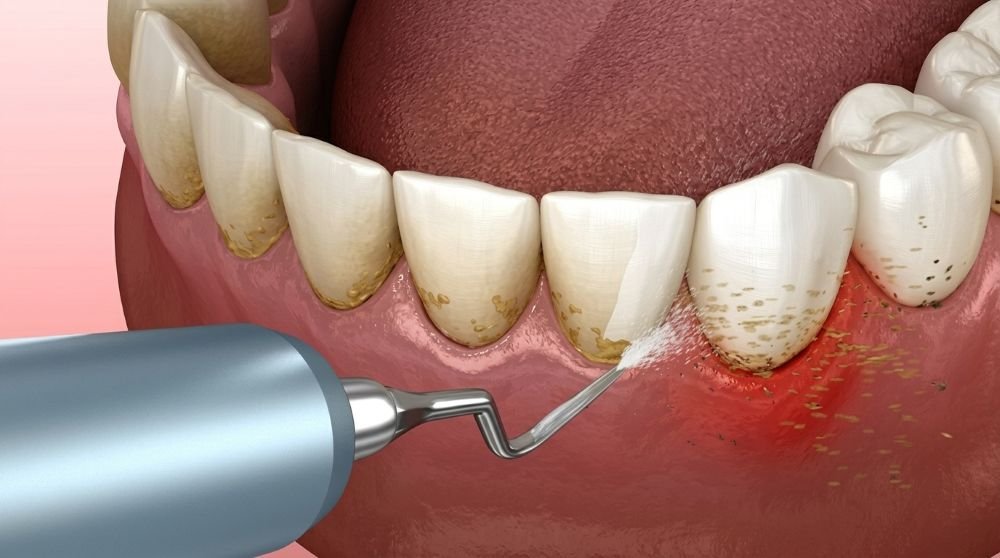
A deep cleaning treats a different problem. It’s used when plaque and tartar have moved below the gumline and started affecting the tissues that hold your teeth in place.
Cleveland Clinic describes scaling and root planing as a deep dental cleaning that reaches further beneath the gums than a regular cleaning. It has two parts:
- Scaling removes plaque and tartar from above and below the gumline, all the way down into the pockets around each tooth.
- Root planing smooths the root surfaces. Smoother roots make it harder for bacteria to settle back in and help your gums heal and fit more snugly against the teeth.
Because the work happens below the gumline, a deep cleaning is usually done with local freezing. It may be finished in one appointment or split into two visits, often one side of the mouth at a time.
Scaling and root planing is well supported by research. The American Dental Association’s 2015 clinical practice guideline recommends it as the initial nonsurgical treatment for chronic periodontitis, noting a moderate benefit that outweighs potential side effects.
Deep Cleaning vs Regular Cleaning: Side by Side
Regular Cleaning | Deep Cleaning (Scaling and Root Planing) | |
Main purpose | Prevent gum disease and cavities | Treat existing gum disease |
Where it cleans | Tooth surfaces and at the gumline | Below the gumline, including root surfaces |
Who it’s for | Healthy gums or mild gingivitis | Gum pockets with tartar and inflammation below the gumline |
Freezing | Usually not needed | Usually used |
Number of visits | One | One or two, depending on the case |
Recovery | Little to none | Some soreness and sensitivity for a short time |
Follow-up | Routine checkups | Re-evaluation, then maintenance cleanings |
Why Gum Pockets Make the Difference
Between each tooth and the gum around it is a small, natural space. In healthy gums, this space is usually about 1 to 3 millimetres deep. It’s shallow enough for a toothbrush and floss to keep clean.
When plaque sits along the gumline for too long, the gums become inflamed. This early stage is called gingivitis. It’s often reversible with a professional cleaning and good home care.
If inflammation continues, the gums can start to pull away from the teeth. The space deepens into a periodontal pocket (a gap where bacteria and tartar can collect below the gumline). Readings of about 4 millimetres or more, especially with bleeding, can be a sign that gingivitis has progressed to periodontitis. That’s the stage where bone and the fibres that support the tooth begin to break down.
Here’s the key point. A regular cleaning isn’t built to reach deep into those pockets, and a toothbrush definitely can’t. That’s why a deep cleaning becomes the next step. You can learn more about how this progresses in our guide to the four stages of gum disease.
Gum disease is more common than many people expect. The Canadian Dental Association notes that it’s one of the most common dental problems adults face, and that it can begin at just about any age.
Do I Need a Deep Cleaning? Signs Your Gums Need More Attention
“Do I need a deep cleaning?” is one of the most common questions we hear after a gum check. Some signs that your gums may need more than a routine cleaning include:
- Gums that bleed when you brush or floss
- Red, puffy, or tender gums
- Bad breath or a bad taste that doesn’t go away
- Gums that seem to be pulling back, making teeth look longer (see these signs of receding gums)
- Teeth that feel loose or a bite that feels different
- Visible tartar near the gumline
These signs don’t confirm gum disease on their own, and some people have early periodontitis with no symptoms at all. Gum disease often causes no pain in its early stages, which is one reason regular exams matter.
How the Decision Is Made
The recommendation isn’t based on a hunch or on how long it’s been since your last visit. Some patients who haven’t been in for years only need a regular cleaning. Others who come in like clockwork may need a deep cleaning, since factors like smoking, diabetes, and family history can affect gum health.
In our London office, a gum assessment usually includes:
- Pocket measurements. Your hygienist gently measures the space around each tooth at several points with a thin, marked instrument called a periodontal probe. It feels like light pressure along the gumline.
- Digital X-rays when appropriate. These show the bone level around your teeth. OVERJET AI software helps highlight bone level changes and tartar on X-rays.
- Intraoral camera photos. These let you see your gums up close on a screen, so you’re not just taking our word for it.
Together, these findings show whether your gums are healthy, inflamed, or affected by pockets and bone changes. Your dentist will walk you through what they see and explain your options before anything is scheduled.
What a Deep Cleaning Feels Like
Knowing what to expect can make the visit feel much more manageable, especially if dental visits make you nervous.
During the Visit
First, the area is numbed with local freezing, often after a topical gel that helps take the edge off the injection. Once you’re frozen, you’ll feel pressure and vibration rather than sharp sensations. You’ll hear the hum of the ultrasonic scaler and feel a light water spray, along with suction to keep things comfortable. Your hygienist then switches to hand instruments to clean and smooth each root.
If you feel anxious about dental care, let your team know. Nitrous oxide (laughing gas) is available in our office to help patients feel more at ease.
After the Visit
Most people go back to their usual day afterward. The freezing typically wears off within a few hours. According to the ADA’s MouthHealthy patient guidance, you may notice:
- Gum soreness for a day or two
- Tooth sensitivity, often for up to a week
- Gums that feel swollen, tender, or bleed a little
Some people notice sensitivity to hot and cold for longer, and it usually fades gradually. As swelling goes down, your gums may tighten and sit slightly lower on the teeth. Teeth can also feel a little loose at first and then firm up as the gums heal.
Your dental team will give you aftercare instructions. These often include brushing gently with a soft toothbrush, keeping up with cleaning between your teeth, and avoiding tobacco while your gums heal. If your dentist recommends a rinse or medication, follow their instructions for it.
When to Call Sooner
Contact your dental office if bleeding doesn’t settle, swelling gets worse, or you develop a fever. Also, a tooth that loosens slowly from gum disease is different from a tooth injured in a fall or sports accident. If a tooth is knocked out, it’s an emergency, and our guide on handling a knocked-out tooth explains the first steps.
After a Deep Cleaning: Follow-Up and Maintenance
A deep cleaning is a starting point, not a one-and-done fix. A few weeks later, your dental team will usually re-measure your gum pockets to see how well they’ve healed.
In many cases, pockets become shallower and bleeding decreases. After that, you’ll likely move to periodontal maintenance cleanings (regular cleanings designed for people who’ve been treated for gum disease). These are often scheduled more often than every six months, because bacteria can recolonize deeper pockets faster than you can say “I’ll floss tomorrow.”
Ideally, a deep cleaning is needed only once. Regular maintenance visits and steady home care are what help prevent a repeat. If some pockets stay deep, your dentist may discuss further options, including a referral to a periodontist (a gum specialist).
Why Follow-Through Matters
The damage from periodontitis usually can’t be fully reversed, but it can often be controlled. Left untreated, gum disease can lead to bone loss, loose teeth, and eventually tooth loss. Research also suggests there may be a link between gum disease and other health conditions, such as diabetes and heart disease.
If teeth are lost, replacement is still possible once the gums are stable. Our comparison of dentures versus dental implants explains the trade-offs. Healthy gums and bone are an important part of any long-term plan.
Cost and Coverage
A deep cleaning usually costs more than a regular cleaning. It takes longer, it involves freezing, and it may need more than one visit. The exact cost depends on how many areas of your mouth need treatment.
Insurance plans don’t always treat the two cleanings the same way. Coverage depends on your plan, your eligibility, the procedure, and any pre-approval requirements. If you’re using the Canadian Dental Care Plan, some services may need pre-approval and a co-pay may apply depending on your plan details.
Our team can review your benefits, submit claims electronically when possible, and give you a cost breakdown before treatment begins. For patients without insurance, LendCare financing is available, and we accept Visa, Mastercard, debit, and cash.

Frequently Asked Questions
What is the main difference between a deep cleaning and a regular cleaning?
A regular cleaning removes plaque and tartar from the tooth surfaces and at the gumline to prevent gum disease. A deep cleaning, or scaling and root planing, reaches below the gumline to clean and smooth the tooth roots when gum disease has created pockets.
Does a deep cleaning hurt?
Most patients feel pressure and vibration rather than pain, because the area is numbed with local freezing. Afterward, some soreness and tooth sensitivity are common for a few days. Comfort levels vary, and nitrous oxide may help if you feel anxious.
How long does a deep cleaning take?
Scaling and root planing often takes one to two hours. It may be completed in a single visit or split into two appointments, usually one side of the mouth at a time, depending on how many areas need treatment.
Can a regular cleaning treat gum disease?
A regular cleaning can often help reverse gingivitis, the earliest stage of gum disease, when combined with good home care. Once periodontitis forms deeper pockets with tartar below the gumline, a regular cleaning usually can’t reach far enough, and scaling and root planing is the typical next step.
Will I need a deep cleaning again?
Ideally, no. Regular maintenance cleanings and daily brushing and flossing help prevent the need for another one. If gum pockets deepen again over time, your dentist may recommend additional treatment.
Healthy Gums Start With the Right Cleaning
A regular cleaning keeps healthy gums on track. A deep cleaning helps bring gum disease back under control. When it comes to deep cleaning vs regular cleaning, neither is better than the other; each is designed for a different situation, and the right choice depends on what your gums need right now.
At We Smile Dentistry, every routine exam includes a gum check for patients of all ages. If you’ve noticed bleeding gums, tenderness, or changes in how your teeth feel, or if you’ve been told you need a deep cleaning and want to understand why, we’re happy to take a look and explain your options in plain language. Reach out to our team to book your appointment in London, Ontario.
This content is for informational purposes only and is not a substitute for professional dental advice, diagnosis, or treatment. For personalized care, please book a consultation with Dr. Spagnuolo at We Smile Dentistry by calling 519-661-0042 or visiting wesmiledentistry.ca/contact.